- 40.2 inYearly rain, Overland Park
- 17.3 inAverage yearly snow
- 114°FRecord high temperature
01Types of seal
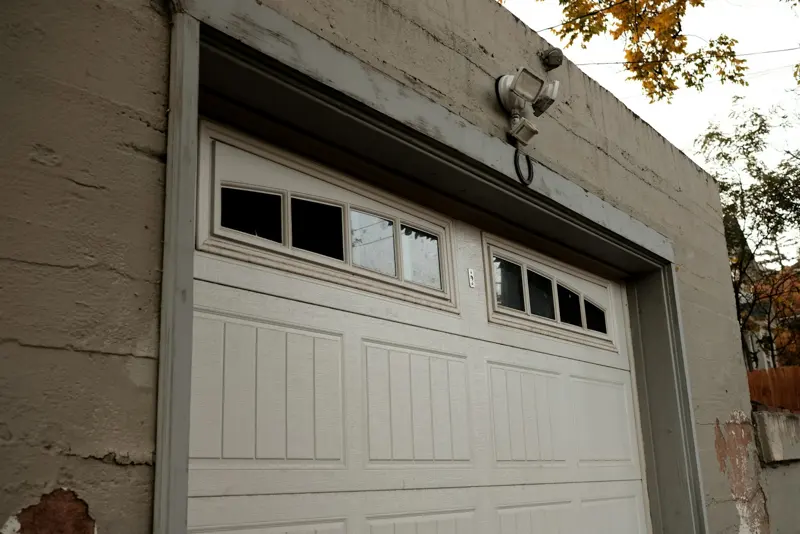
The bottom seal is a rubber or vinyl strip held in a retainer along the bottom of the door; common profiles are T-style, bulb and J-type, and the retainer decides which fits. A threshold seal is glued to the floor to fill uneven concrete. Side and top stops are flexible strips on the frame that close the gaps around the edges.
02Signs it is time
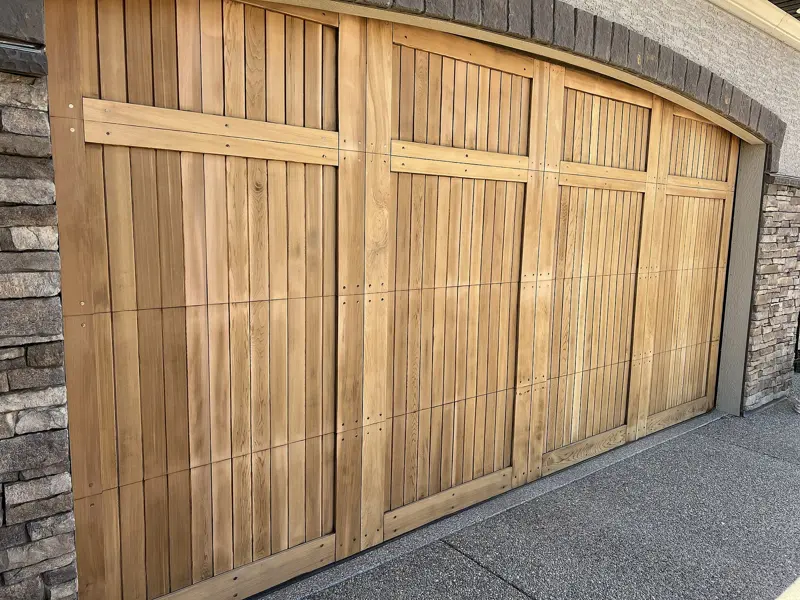
Cracked, flattened or brittle rubber, gaps of light at the bottom or corners, water tracking in, insects or mice getting in, and seal pieces torn from the retainer. Cold winters and summer heat both harden rubber over time.
03Fit matters
A seal that is too thick can make the opener think it has hit something and reverse; one that is too thin leaves gaps. If the door closes crooked, the issue may be springs or cables rather than the seal; see cable and roller repair.
04Insulation and energy
Seals matter most on attached garages and insulated doors. If the panels themselves are damaged or uninsulated, compare with panel replacement or a new garage door.
05What to ask
Ask which bottom profile your door takes, whether the retainer needs replacing, if a threshold seal is a good idea for your slab, and to check the opener's close force and auto-reverse after the new seal is in.
Photos